Animal Alphabet: A Creative and Educational Trend Bridging Learning and Lifestyle
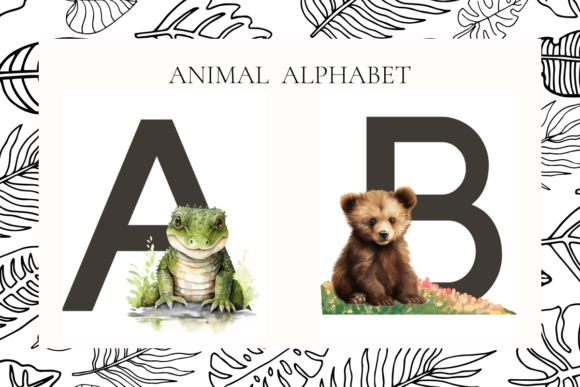
In an increasingly visual world, educational tools are evolving to meet the needs of modern learners while also resonating with broader lifestyle and design trends. One such innovation is the Animal Alphabet, a collection of baby animal illustrations that teach the ABCs in a unique and engaging way. This concept has captured the attention of educators, designers, entrepreneurs, and parents alike by merging learning with creativity and aesthetics.
What Is the Animal Alphabet?
The Animal Alphabet is a pedagogical approach where each letter of the alphabet is represented by a baby animal whose name starts with that letter. For instance, "A" might be an alpaca calf, "B" could feature a bear cub, and so on. These illustrations are often whimsical, colorful, and designed to appeal to young children, making them ideal for early childhood education. However, their charm extends far beyond the classroom, influencing home décor, branding, and even digital content creation.
This method leverages the natural curiosity and affinity children have for animals. By pairing letters with cute and relatable creatures, it transforms the often-dry process of memorizing the alphabet into something fun and memorable. The visual and emotional connection between the child and the animal illustration enhances retention and makes learning feel like play.
Why the Animal Alphabet Matters in Today’s Market
As the market for educational products continues to grow, especially in the realm of early childhood development, there is a clear shift toward experiential and visually driven learning. Traditional flashcards and textbooks are being replaced or supplemented by interactive and aesthetically pleasing materials. The Animal Alphabet aligns perfectly with this movement, offering a product that is both functional and beautiful.
For professionals in the creative industry—such as illustrators, graphic designers, and app developers—the Animal Alphabet represents a niche yet expanding opportunity. With demand rising for content that blends education with entertainment, these illustrations can serve as assets in various formats, including printable worksheets, mobile apps, animated videos, and merchandise like plush toys or clothing lines.
Entrepreneurs and marketers are also taking note. The Animal Alphabet taps into the growing trend of "edutainment," which combines education and entertainment to create compelling experiences. This trend is particularly strong among millennial and Gen Z parents who seek meaningful and enriching activities for their children. As a result, products featuring the Animal Alphabet are not only sold for their educational value but also as part of a curated lifestyle that emphasizes learning through joy.
Aesthetic Appeal Meets Practical Use
One of the key reasons behind the popularity of the Animal Alphabet is its dual functionality. It serves as both an educational tool and decorative art. Many families choose to display these illustrations around their homes—not just because they’re informative, but because they add warmth and character to the space. This duality makes it appealing to a wide audience, from teachers looking for classroom resources to interior designers seeking playful yet sophisticated elements for kid-friendly spaces.
Consider how a boutique nursery brand might use Animal Alphabet illustrations to decorate wall decals, bedding sets, or stationery. Each piece tells a story while subtly reinforcing literacy skills. Similarly, a toy company could integrate these visuals into puzzle games or building blocks, creating a cohesive theme that appeals to both kids and parents.
Changing Needs and Preferences Driving Interest
Modern consumers are more selective than ever. They want products that are not only useful but also aligned with their values—like sustainability, inclusivity, and holistic learning. The Animal Alphabet caters to these preferences by promoting biodiversity awareness and using charming, non-threatening depictions of animals. This helps foster an early appreciation for nature and conservation.
Moreover, today’s parents are increasingly interested in co-educational and cross-generational learning. Products that allow them to bond with their children over shared educational experiences are highly valued. The Animal Alphabet offers an accessible entry point for these interactions, whether during bedtime stories, playtime, or casual conversations about different species.
Technology and the Digital Transformation of Learning
With the rise of edtech and digital learning platforms, the Animal Alphabet has found new life online. Developers are integrating these illustrations into apps and websites that offer interactive alphabet lessons, quizzes, and games. The combination of high-quality visuals and user engagement features makes it a powerful tool in the digital age.
For example, a mobile application might use augmented reality (AR) to bring a baby zebra to life when a child touches the screen. Such innovations not only make learning more immersive but also position the Animal Alphabet as a forward-thinking solution in the competitive educational technology market.
Practical Applications Across Industries
Beyond traditional educational settings, the Animal Alphabet is being adopted in several unexpected industries. Here are some practical examples:
- Freelance Illustration: Artists specializing in children's media often find that the Animal Alphabet is a popular request for clients. Its versatility allows it to be adapted into multiple styles and formats, giving creators room to innovate while meeting market demand.
- Marketing and Branding: Companies targeting young audiences or family-oriented demographics frequently use the Animal Alphabet in campaigns. Think of a children’s cereal brand using a lion cub to represent the letter "L"—it's both educational and emotionally engaging.
- Educational Publishing: Publishers are incorporating the Animal Alphabet into books and workbooks that aim to introduce children to reading, writing, and basic science concepts simultaneously.
- Interior Design: Designers working on nurseries, classrooms, or children’s rooms are turning to these illustrations to create stimulating environments that support cognitive development without sacrificing style.
Real-World Observations
Several startups have successfully built businesses around the Animal Alphabet. One notable case is a subscription box service that delivers monthly educational kits for toddlers. Each box includes an Animal Alphabet poster, along with related books, puzzles, and sensory toys. This model highlights how the trend can be monetized while providing long-term value to customers.
Another example is a social media influencer who created a viral series called “Baby Animals Teach the ABCs.” The blend of adorable footage and educational content attracted millions of views and partnerships with educational brands. This demonstrates the power of combining the Animal Alphabet with multimedia storytelling to reach wider audiences.
Connecting to Larger Developments
The Animal Alphabet reflects a larger cultural shift toward interdisciplinary learning and creative expression. In recent years, there has been a growing emphasis on STEAM (Science, Technology, Engineering, Arts, and Math) education, which encourages the integration of artistic thinking with academic subjects. By introducing children to both the alphabet and the animal kingdom, these illustrations support this integrated learning philosophy.
Additionally, the trend aligns with the increasing importance of mental health and emotional well-being in childhood development. Cute and comforting visuals, like those of baby animals, can reduce stress and encourage positive associations with learning. In this sense, the Animal Alphabet isn’t just about teaching letters—it's about cultivating a joyful mindset toward education from an early age.
Global and Cultural Relevance
The Animal Alphabet also lends itself well to global markets. While many versions use Western animals, others incorporate local wildlife, making the concept culturally relevant and inclusive. This adaptability allows brands to tailor their offerings to specific regions or communities, enhancing their appeal and fostering deeper connections with local audiences.
Imagine a version of the Animal Alphabet featuring native Australian fauna—wallabies, wombats, and kangaroos. Not only does this educate children about their own environment, but it also supports cultural pride and environmental awareness. Such adaptations demonstrate the flexibility and scalability of the concept.
Conclusion
The Animal Alphabet is more than just a clever way to teach the alphabet. It is a versatile and valuable asset in the broader landscape of education, design, and marketing. By combining visual appeal with practical learning, it meets the changing needs of today’s parents, educators, and children. Whether used in print, digital formats, or physical products, the Animal Alphabet fosters curiosity, creativity, and a lifelong love of learning.
As we continue to explore new ways to engage young minds, the Animal Alphabet stands out as a bridge between tradition and innovation. Its relevance is not limited to the classroom but extends across industries and cultures, making it a dynamic and enduring trend in the world of educational content and lifestyle design.