Ceramic Crockery: A Versatile Line Art Collection for Creative Projects
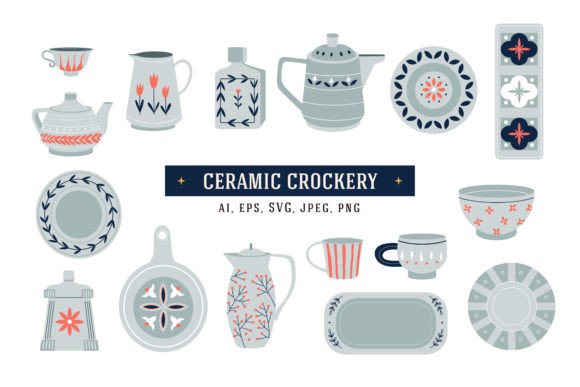
Ceramic crockery is a timeless and functional art form that has found its way into kitchens, dining rooms, and creative spaces around the world. From elegant porcelain plates to whimsical decorative jugs, ceramic items are not only practical but also visually appealing. For designers, artists, and project creators, having access to high-quality vector representations of these objects can be a game-changer. The Name line art collection offers a unique set of 16 graphic items in various formats, including AI, EPS, SVG, PNG, and JPEG, making it an invaluable resource for both digital and print applications.
Understanding the Name Line Art Collection
The Name line art collection features a curated selection of ceramic kitchenware and handmade pottery. Each item is meticulously designed to reflect the aesthetics and utility of real-world ceramic pieces. Included in the package are porcelain plates, cups, teapots, jugs, bowls, and other decorative crockery items, all rendered in scalable vector graphics. This ensures that every detail remains crisp and clear regardless of how large or small the design is used.
What makes this collection stand out is the variety and flexibility it provides. Each element is separated and available in multiple file formats, allowing users to work with them independently. Whether you're designing for a website, print material, or digital illustration, the Name collection adapts seamlessly to your needs.
Key Components of the Collection
- 16 Graphic Items: These include a range of ceramic crockery such as plates, cups, teapots, and decorative elements, offering versatility across different design projects.
- Vector Formats (AI, EPS, SVG): Each item is provided in editable vector files, giving users full control over colors, images, and sizes without compromising quality.
- PNG Files at 300dpi: Transparent background PNGs allow for easy integration into any visual composition, ensuring a clean and professional look.
- JPEG Files at 300dpi: High-resolution JPEGs are ideal for print projects where transparency isn't required.
- Heart-shaped Pre-made Poster: An additional bonus includes a ready-to-use poster in multiple formats (AI, EPS, SVG, JPEG, PNG), sized at 5000x6250px and optimized for clarity and impact.
Applications Across Industries
The Name line art collection finds relevance in a wide array of industries and personal projects. Its detailed yet stylized nature makes it suitable for use in marketing materials, educational content, product packaging, and even interior design concepts. Let's explore some specific use cases:
Graphic Design and Branding
For graphic designers, the ability to edit and scale each element is crucial. The Name collection allows for seamless customization, which is especially beneficial when creating brand assets such as logos, brochures, or social media graphics. Ceramic crockery illustrations can represent themes like home, comfort, and tradition—perfect for brands targeting lifestyle, food, or hospitality sectors.
Interior and Product Design
Product designers often rely on visual mockups to showcase their ideas. With the Name collection, they can create realistic renderings of ceramic crockery within virtual kitchens or living spaces. The transparent PNG files make it easy to layer designs over backgrounds, helping visualize how these items would look in real environments. Additionally, the heart-shaped poster can serve as a promotional piece for new product lines or seasonal collections.
Educational and Research Purposes
Researchers and educators may find the Name collection useful for illustrating historical or cultural studies related to ceramics. Porcelain, in particular, has a rich history tied to trade routes and artistic evolution. By incorporating these visuals into presentations or publications, they can enhance understanding and engagement without needing to source physical samples or photographs.
Personal Creativity and Hobbyists
Hobbyists who enjoy crafting or digital art can benefit from the Name collection by using the files in mixed-media projects. Whether creating greeting cards, murals, or online content, the customizable nature of the vector files encourages experimentation. Users can easily adjust colors to match their preferred palettes or resize items to fit different layouts.
Business Owners and Retailers
For business owners, especially those in the home goods or artisanal markets, the Name collection serves as a powerful tool for showcasing products. It can be used to create eye-catching advertisements, catalog layouts, or e-commerce banners. The pre-made poster is particularly useful for in-store displays or pop-up promotions, providing a cohesive and attractive visual message.
Advantages of Using Vector Files
One of the most significant benefits of the Name line art collection is its use of vector-based formats. Unlike raster images, which lose quality when scaled up, vectors maintain sharpness at any size. This is essential for professionals who need to ensure their designs remain pristine across various platforms and mediums.
Another advantage is the ease of editing. With tools like Adobe Illustrator or Inkscape, users can modify individual elements, combine them creatively, or rework entire compositions. This level of adaptability supports diverse workflows and reduces the need for repeated artwork purchases or custom illustrations.
High-Resolution Outputs for Print and Digital Use
Whether preparing for print or digital publishing, the Name collection delivers in high resolution. The 300dpi PNG and JPEG files are suitable for commercial printing, while the vector files offer limitless scalability for web or mobile use. This dual capability ensures that no matter the platform, the final output remains professional and polished.
Practical Considerations for Users
While the Name collection is highly versatile, there are several considerations to keep in mind when using these files. First, ensure that your design software supports the chosen file format. AI and EPS files require programs like Adobe Illustrator, whereas SVGs can be edited in many modern graphic tools or even via code in web development.
Second, take time to organize your workflow. Since the collection includes 16 separate items, categorizing and naming each file appropriately will streamline your design process. This becomes especially important when working on complex layouts or collaborating with others.
Lastly, consider the context in which you'll use the ceramic crockery graphics. While the designs are stylized, they should still align with the overall aesthetic of your project. For example, using traditional porcelain plate designs in a contemporary layout might require adjustments in color or placement to maintain visual harmony.
Combining Elements for Custom Designs
One of the strengths of the Name collection is the ability to mix and match elements. Users aren’t limited to individual items; they can build composite scenes by combining plates, cups, and decorative jugs. This opens up possibilities for storytelling through design, whether it’s a cozy breakfast table setup or an elegant tea service arrangement.
When creating such compositions, attention to spacing and alignment is key. Proper layering and positioning can significantly affect the perceived realism and balance of the design. Experimenting with shadows, gradients, and textures can further enhance the visual appeal of the ceramic crockery line art.
Design Trends and Future Relevance
In recent years, there has been a resurgence in interest in vintage and handcrafted aesthetics. The Name collection taps into this trend by offering a blend of classic forms and modern minimalism. Porcelain plates and teapots, for instance, evoke a sense of nostalgia while remaining relevant in minimalist or Scandinavian-inspired designs.
As sustainability and ethical consumption become more prominent, the demand for imagery that represents natural, handmade materials increases. The Name collection aligns well with these values, offering visual representations of ceramic crockery that emphasize craftsmanship and longevity. This can help reinforce eco-friendly messaging in branding or advertising efforts.
Adapting to Changing Preferences
With the rise of personalized and bespoke products, the ability to customize crockery designs is increasingly valuable. The Name collection supports this shift by allowing users to tailor colors, shapes, and arrangements to suit evolving consumer tastes. Whether adding a monogram to a cup or changing the hue of a bowl to match a seasonal theme, the collection empowers designers to stay ahead of trends.
Creating Impactful Visual Content
Visual content is one of the most effective ways to communicate ideas. The Name line art collection simplifies the creation of impactful imagery by providing clean, detailed, and scalable ceramic crockery designs. These can be used in infographics, editorial illustrations, or promotional materials to convey messages about home life, culinary arts, or cultural heritage.
Consider the heart-shaped pre-made poster included in the collection. This item could serve as the centerpiece of a campaign promoting love, family, or shared meals. Its high resolution and layered structure allow for easy modification—such as adding text, adjusting colors, or overlaying patterns—to align with a specific theme or message.
Enhancing User Experience Through Design
For websites or apps focused on home décor, cooking, or lifestyle, integrating ceramic crockery illustrations can improve user experience. These visuals add warmth and familiarity, making the content more relatable and engaging. When paired with descriptive copy or interactive features, they can guide users toward informed decisions or inspire action.
Technical Workflow and Best Practices
To maximize the potential of the Name collection, follow best practices when importing and editing the files. Begin by organizing your workspace in your design software, separating layers for easier manipulation. If working in Adobe Illustrator, take advantage of the pathfinder tool to merge or divide shapes for more intricate designs.
When exporting for web or print, always verify the file dimensions and resolution. For print, stick to 300dpi JPEG or PNG files. For web, compress PNGs if needed, but retain transparency for maximum flexibility. SVG files are excellent for responsive web designs due to their lightweight and scalable nature.
Remember to save copies of original vector files before making edits. This preserves the highest quality version and allows for future revisions or adaptations. Keeping a backup of the AI file with all elements inside is especially helpful when revisiting older projects or making global changes across multiple items.
Collaboration and Version Control
Working in teams requires careful version control. Assign unique identifiers to each modified file and store them in clearly labeled folders. If using cloud-based collaboration tools, share only the necessary files to avoid confusion. Maintaining consistent naming conventions will also help track changes and iterations effectively.
Conclusion
The Name line art collection of ceramic crockery is a comprehensive and adaptable resource for anyone involved in design, education, retail, or personal creativity. By offering high-quality vector files and pre-made assets, it supports a wide range of applications—from branding and marketing to storytelling and product visualization. As trends continue to favor authenticity and craftsmanship, this collection remains a relevant and valuable asset for expressing these ideals through visual design.