Classic and Neoclassic Gravures: Timeless Art for Modern Audiences
Classic and Neoclassic Gravures represent a bridge between ancient artistic traditions and the refined aesthetics of the 18th and early 19th centuries. These gravures—detailed engravings often used in printmaking, illustration, and decorative art—are rooted in the visual language of classical antiquity. Whether you're an artist, historian, designer, or simply someone with an appreciation for timeless beauty, understanding these styles can offer valuable insights into both historical and contemporary contexts.
What Are Classic and Neoclassic Gravures?
Classic gravures typically refer to engraved works from the Renaissance through the 17th century that drew inspiration from ancient Greek and Roman art. These pieces emphasized balance, proportion, and idealized forms, mirroring the values of classical sculpture and painting.
Neoclassic gravures emerged later, during the Neoclassical period (late 18th to mid-19th century), as a direct response to the ornate Baroque and Rococo styles. They are marked by clean lines, geometric precision, and a focus on clarity and harmony. Often depicting mythological scenes, historical events, or architectural motifs, Neoclassic gravures reflect a return to the simplicity and dignity of antiquity.
The rediscovery of Pompeii and Herculaneum in the 18th century played a crucial role in inspiring this movement. Artists and engravers began to incorporate archaeologically accurate details, such as clothing, settings, and tools, which gave their work a scholarly authenticity.
Why Different Audiences Care About Classic and Neoclassic Gravures
Classic and Neoclassic Gravures have broad appeal because they embody enduring themes of beauty, order, and cultural heritage. However, the reasons people engage with them vary significantly based on their interests and professions:
For Beginners and Hobbyists
If you're new to art history or printmaking, Classic and Neoclassic Gravures offer a gateway to exploring structured composition and classical subject matter. Their clear lines and defined shapes make them easier to study and replicate than more complex styles like Baroque. A beginner might use these gravures as reference material when learning how to draw figures or landscapes using a minimalist approach.
Practical example: A hobbyist studying etching techniques could analyze the linear precision in a Neoclassic gravure of a Roman column to understand how to render architectural elements accurately.
For Creators and Designers
Designers seeking inspiration for logos, book illustrations, or packaging may find value in the symmetry and elegance of Neoclassic gravures. The minimal color emphasis and reliance on form over decoration align well with modern design trends that prioritize clarity and sophistication.
Practical example: A graphic designer working on a luxury brand’s branding package might incorporate motifs from a Classic gravure of a draped figure to evoke a sense of timelessness and refinement.
For Educators and Students
Educators often use gravures to teach about art movements, historical context, and technical skills. The detailed craftsmanship of these works provides rich material for analyzing composition, perspective, and symbolism. Students can also benefit from studying gravures to grasp how artists translated classical ideals into visual formats.
Practical example: An art teacher might assign students to recreate a portion of a Neoclassic gravure to practice drawing human anatomy using proportional guidelines derived from classical sculpture.
For Business Owners and Marketers
Business owners interested in creating a legacy brand or selling niche art products may leverage Classic and Neoclassic Gravures to communicate tradition, quality, and exclusivity. These gravures can be printed as limited-edition posters, sold as collectibles, or used in educational content to build authority.
Practical example: A boutique selling vintage-style home decor could feature a reproduction of a Neoclassic gravure in its product line to attract customers who appreciate historical aesthetics and high-quality craftsmanship.
For Collectors and Consumers
Collectors drawn to antique prints or those who want to add culturally significant items to their homes may find gravures appealing for their artistic merit and historical resonance. The clarity and detail in these works ensure they remain visually striking even after centuries.
Practical example: A consumer looking to decorate a study room might choose a framed Classic gravure of a Greco-Roman scene to create a space that feels intellectually stimulating and aesthetically grounded.
Understanding Priorities Across Audiences
When considering whether Classic and Neoclassic Gravures fit your needs, it's important to recognize the different priorities each audience brings to the table:
- Beginners might prioritize ease of use and learning value, especially if they're practicing drawing or engraving techniques.
- Professionals in fields like graphic design or architecture may care more about flexibility and commercial value, using gravures to inspire or inform their projects.
- Marketers and entrepreneurs will likely assess presentation and long-term usefulness, ensuring gravures align with brand identity and customer expectations.
- Art historians and educators place high importance on accuracy, quality, and contextual relevance when selecting gravures for academic purposes.
- Consumers and collectors may focus on idealism, harmony, and restraint—qualities that enhance the aesthetic and emotional impact of a piece.
Exploring the Collection: What You Can Expect
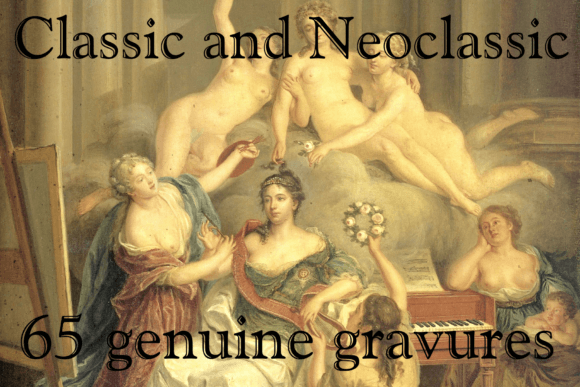
This collection includes 65 genuine drawings, paintings, cuts, and illustrations from masters of the Classic and Neoclassic styles. Each piece reflects the core principles of these movements, including:
- Symmetry and geometric clarity: Many gravures exhibit balanced compositions and precise outlines, making them ideal for study or display.
- Archaeological accuracy: Artists paid close attention to historical details, from costume to setting, enhancing the educational and artistic value.
- Classical subject matter: Scenes from mythology, history, and portraiture dominate the collection, offering a wide range of thematic possibilities.
- Minimal color usage: This allows viewers to focus on form and structure, which is particularly useful for black-and-white printing or digital reproduction.
Whether you're looking for a source of creative inspiration or a way to deepen your understanding of art history, this collection offers something for everyone.
How to Use Classic and Neoclassic Gravures in Your Work
Here are some tailored suggestions for how different groups can integrate these gravures into their work or personal development:
Beginners: Start with Study and Reproduction
Use these gravures to develop foundational drawing skills. Focus on replicating the symmetry and proportion seen in classical figures and objects. This not only improves your technique but also introduces you to the philosophical underpinnings of classical art.
Experienced Users: Incorporate into Projects with Purpose
Seasoned creators can adapt gravures into larger projects. For instance, an illustrator might reinterpret a Classic gravure in a contemporary style while maintaining its structural integrity. Architects can use gravures of ancient buildings as references for modern designs that echo classical forms.
Entrepreneurs: Build Brand Identity Around Classical Values
Consider how the gravures’ themes of harmony and restraint can align with your brand message. If your business promotes minimalism, heritage, or intellectual pursuits, gravures can serve as powerful visual assets in marketing materials, packaging, or interiors.
Art Educators: Teach Composition Through Historical Context
These gravures are excellent teaching tools. Discuss how the artists used light, shadow, and geometry to create depth and realism. Compare Neoclassic gravures to earlier Renaissance versions to show the evolution of classical interpretation over time.
Freelancers and Bloggers: Add Depth to Content and Visuals
Bloggers covering art history or design can embed gravures in posts to illustrate key points. Freelance illustrators might use them to build a portfolio that appeals to clients interested in historical or elegant visuals.
Is Classic and Neoclassic Gravures Right for You?
Classic and Neoclassic Gravures are best suited for those who appreciate structure, history, and the pursuit of artistic excellence. If you’re looking for bold colors or experimental forms, these gravures may not fulfill your immediate needs. But if you seek inspiration from the past, want to learn classical techniques, or need visuals that convey timelessness and sophistication, then this collection is a must-explore resource.
To determine if these gravures match your goals, consider the following questions:
- Do I prefer art that emphasizes form and structure over color and emotion?
- Am I working on a project that benefits from historical or archaeological accuracy?
- Would my audience or clients respond positively to a classical aesthetic?
- Am I at a stage where learning from structured, masterful compositions would help me grow?
Answering “yes” to any of these suggests that Classic and Neoclassic Gravures could play a meaningful role in your journey—whether professional or personal.
Conclusion
Classic and Neoclassic Gravures are more than just historical artifacts; they are windows into a world that valued balance, clarity, and idealism. Depending on your background and objectives, these gravures can serve as sources of inspiration, educational tools, commercial assets, or personal treasures. With 65 diverse examples to explore, there's something here for every taste and purpose.