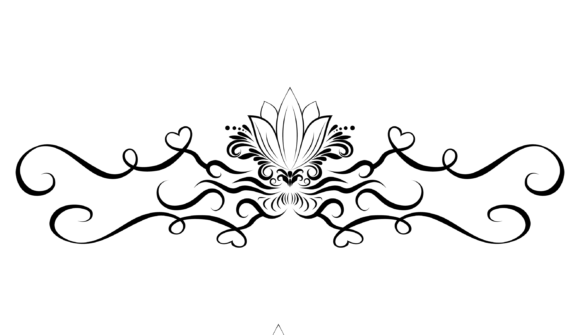
Enhancing Design with Border SVG: The Elegance of Decorative Flower Borders
In the world of digital design, visual elements play a crucial role in capturing attention and conveying messages effectively. One such element that has gained popularity among designers is the Border SVG. Specifically, decorative flower borders offer a unique blend of sophistication and elegance, making them ideal for various creative projects. Whether you're designing invitations, cards, brochures, or other marketing materials, understanding how to use these borders can elevate your work significantly.
What is an SVG Border?
SVG stands for Scalable Vector Graphics, a format used to create high-quality images that maintain clarity at any size. Unlike raster graphics (such as JPEG or PNG), which are made up of pixels, SVG files are composed of mathematical formulas. This means they can be scaled up or down without losing resolution, making them perfect for both print and digital media.
An SVG border is essentially a line or frame around a design element created using vector paths. These borders can be simple or complex, depending on the designer's needs. In many cases, they serve both functional and aesthetic purposes, guiding the viewer’s eye while also enhancing the overall look of the design.
The Beauty of Decorative Flower Borders
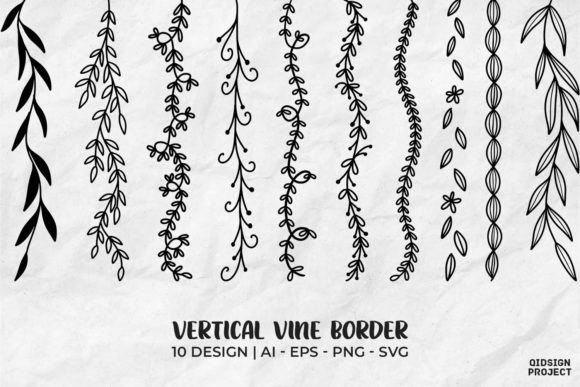
A decorative flower border adds a touch of artistry and charm to any project. It typically features intricate floral motifs arranged along the edges, creating a visually appealing frame. These borders are often used in designs where aesthetics are paramount, such as wedding invitations, greeting cards, fashion illustrations, and even website headers.
- Delicate floral patterns: These borders are known for their fine details and soft curves, reminiscent of hand-drawn botanical sketches.
- Carefully crafted details: Each petal and leaf is meticulously designed to ensure a harmonious and balanced appearance.
- Customizable colors: One of the biggest advantages of SVG borders is the ability to easily change colors using software like Adobe Illustrator or free tools like Inkscape.
Why Use a Decorative Flower Border in Your Design?
Decorative borders might seem like a small detail, but they have a significant impact on the perception of your design. Here’s why incorporating a flower border could be beneficial:
- Visual hierarchy: A well-designed border can draw attention to the main content by framing it in an elegant way.
- Brand identity: If your brand uses floral themes or natural elements, a flower border reinforces your style and helps maintain consistency across different platforms.
- Emotional appeal: Floral designs evoke feelings of warmth, beauty, and creativity, making them suitable for personal and professional projects alike.
- Versatility: These borders can be adapted to fit a wide range of applications, from minimalist layouts to highly ornate ones.
Practical Applications of Decorative Flower Borders
These types of borders are incredibly versatile and find their place in several industries and everyday creative tasks. Let’s explore some common uses:
Invitations and Cards
Wedding invitations, birthday cards, thank-you notes, and announcements all benefit from a decorative touch. A flower border can transform a basic card into a luxurious piece of art. For example, a vintage-style invitation with a gold-leaf flower border feels more exclusive and refined than one with a plain edge.
Brochures and Marketing Materials
Businesses often use floral borders in brochures or flyers to stand out in a competitive market. They’re especially popular in industries related to nature, wellness, and lifestyle. Imagine a yoga studio brochure framed with soft pastel flowers—it immediately conveys calmness and serenity.
Web Design and Digital Media
On websites and social media graphics, SVG flower borders add depth and personality without increasing file size. Because they are lightweight, they load quickly and don’t compromise performance. You can use them to highlight sections of a webpage, such as testimonials or featured products, giving them a more polished look.
Education and Presentations
Teachers and presenters sometimes incorporate floral borders into slides or worksheets to make learning materials more engaging. A biology presentation about plants, for instance, can use a flower border to emphasize the topic and enhance the visual experience for students.
How to Work with SVG Files
If you're new to SVGs, here’s a quick guide to help you get started:
Understanding the Format
SVG files are text-based and written in XML code. This makes them editable using any code editor or graphic design software that supports vector graphics. Their scalability ensures that your design looks sharp on everything from business cards to billboards.
Editing and Customization
One of the most exciting aspects of SVG borders is their ease of customization. With just a few clicks, you can adjust the color palette to match your project’s theme. For example, if you're creating a spring-themed poster, you can change the border to feature vibrant pinks and greens. Most modern design tools allow for this level of flexibility.
Integration into Projects
SVG borders can be integrated into both print and digital formats. For web use, you can embed the SVG directly into HTML code or use it as a background image. In print design, they are commonly imported into programs like Adobe Photoshop, Illustrator, or Canva. Regardless of the platform, SVG ensures crisp lines and accurate representation of the original artwork.
Common Misconceptions About SVG Borders
Despite their popularity, there are still some misunderstandings about SVG borders that need clarification:
- Misconception 1: “SVG files are only for tech-savvy users.” Reality: Many user-friendly tools now support SVG editing, making it accessible to beginners.
- Misconception 2: “Floral borders are outdated.” Reality: When used thoughtfully, floral borders remain stylish and are widely appreciated in both traditional and contemporary design settings.
- Misconception 3: “SVGs take too long to load online.” Reality: SVGs are generally smaller in file size compared to raster images, which makes them faster to load and more SEO-friendly.
Best Practices for Using Decorative Flower Borders
To make the most of your SVG flower border, consider the following tips:
- Match the theme: Ensure the border complements the content and overall design style. A bold, colorful border may not suit a minimalist layout.
- Use sparingly: While beautiful, overusing floral borders can overwhelm the design. Apply them strategically to key areas.
- Optimize for accessibility: Avoid using overly intricate borders that may distract from important information or reduce readability.
- Test across devices: Always preview your design on different screens to confirm that the border scales correctly and maintains its quality.
Where to Find and How to Use Free SVG Flower Borders
If you're looking to enhance your design without spending a fortune, many websites offer free SVG flower borders. Some notable sources include:
- SVG Repo
- Flaticon – provides free icons and borders with premium options available.
- The Noun Project – great for finding stylized floral borders.
- Canva – offers built-in SVG templates for easy drag-and-drop integration.
Once you’ve downloaded an SVG file, open it in your preferred design software. From there, you can resize, recolor, and rearrange elements to fit your vision. For those comfortable with coding, you can also edit the XML directly to tweak specific details like stroke width or pattern spacing.
Creating Your Own SVG Flower Border
If you want full control over your design, you can create a custom SVG flower border. Here’s a simplified process:
- Choose a design tool that supports SVG creation, such as Adobe Illustrator or Figma.
- Sketch your floral pattern using vector shapes like circles, ellipses, and Bezier curves.
- Convert the sketch into scalable paths and apply gradients or solid colors.
- Export the final design as an SVG file for easy use in multiple projects.
For those who prefer not to design from scratch, many online tools and tutorials can help you modify existing SVG borders. This empowers you to personalize the design without needing advanced skills.
The Role of SVG Borders in Modern Creativity
As technology continues to evolve, so does the role of design in our daily lives. SVG borders represent a bridge between traditional art and modern digital tools. They allow designers to preserve the beauty of handcrafted elements while leveraging the efficiency of digital workflows.
Moreover, the rise of remote work and digital communication has increased the demand for visually appealing content. An invitation sent via email or a brochure shared online must stand out instantly. A well-placed flower border can do exactly that—adding a layer of professionalism and creativity that resonates with the audience.
SVG Borders in Business and Branding
Businesses are increasingly turning to SVG borders to differentiate their branding. A consistent use of a floral border across marketing materials, websites, and packaging can help build a strong visual identity. For example, a boutique selling handmade soaps might use a lavender-flower border on all product labels to reinforce the natural and artisanal feel of their brand.
Conclusion: Elevating Your Designs with SVG Borders
Decorative flower borders in SVG format are a powerful yet subtle way to enhance your creative projects. They bring a sense of refinement, artistry, and adaptability that aligns perfectly with modern design trends. By understanding how to select, customize, and integrate these borders, you can unlock new levels of visual storytelling and professionalism in your work.
Whether you're a beginner experimenting with design or an experienced creator refining your portfolio, SVG flower borders are a valuable addition to your toolkit. Embrace the beauty of vectors and let your creativity bloom!