Indian Seamless Ornament. Traditional Tr in Design Workflows
Understanding Indian Seamless Ornament. Traditional Tr
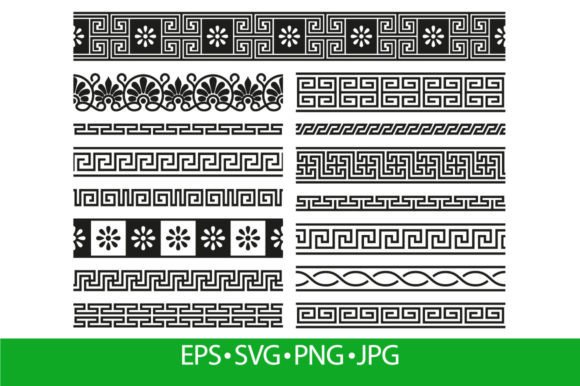
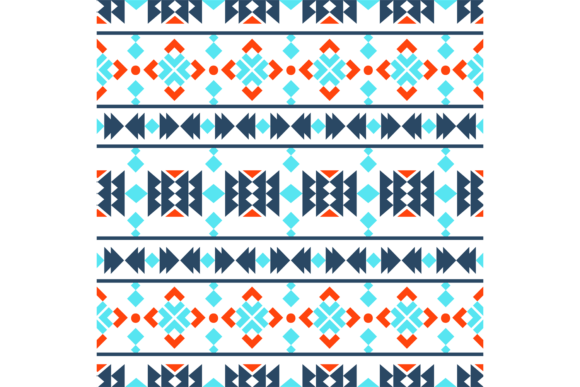
Indian Seamless Ornament. Traditional Tr refers to a design motif rooted in the rich artistic heritage of India, particularly among tribal communities. These patterns are characterized by their intricate, repeating designs that flow without interruption—hence the term "seamless." They often draw inspiration from nature, mythology, and cultural symbols, making them visually compelling and deeply meaningful.
In modern design contexts, these motifs are adapted into vector illustrations, commonly available in formats like EPS and JPG. This allows for high-quality scalability and easy integration into various digital and print projects. The traditional aspect of these ornaments adds an authentic touch, which is increasingly valued in branding, product design, and creative content creation.
Pre-Project Planning and Concept Development
Before initiating any design or branding project, especially those targeting audiences with a connection to Indian culture or tribal aesthetics, incorporating elements of Indian Seamless Ornament. Traditional Tr can help define the visual identity early on. Designers might use these patterns as mood boards or reference points during brainstorming sessions to ensure the final output aligns with the intended cultural tone.
For entrepreneurs and marketers launching products such as textiles, home décor, or packaging, understanding how these ornamental styles resonate with target demographics is crucial. A quick review of existing EPS vector illustrations or JPG versions can guide decisions about color schemes, layout structures, and overall design philosophy.
Durational Use in Execution
During the execution phase, these traditional seamless ornaments serve as foundational assets. For example, a graphic designer working on a website for a sustainable fashion brand may layer a subtle Indian Seamless Ornament. Traditional Tr pattern in the background using scalable vector graphics (SVG) derived from an EPS file. This enhances the aesthetic while maintaining performance standards due to the efficiency of vector-based files.
Similarly, illustrators creating content for educational materials or storytelling platforms might integrate these patterns into icons, headers, or infographics. Using vector illustration tools like Adobe Illustrator ensures that the design remains editable and adaptable across multiple resolutions and sizes, supporting consistency in branding and user experience.
Post-Production Integration and Optimization
After a project’s completion, seamless ornaments can be repurposed for additional uses. Marketing teams might extract specific elements from the Traditional Tr patterns to create social media banners, promotional materials, or email templates. Their versatility makes them suitable for both minimalist and highly detailed compositions.
Designers should also consider optimizing these assets for long-term use. Converting them into reusable components within design systems or asset libraries streamlines future workflows. Storing them in organized folders with clear naming conventions—such as “Indian_Tribal_Ornament_EPS” or “Seamless_Orientation_Header_JPG”—ensures easy retrieval and consistent application across campaigns.
Compatibility and Usability in Modern Tools
One of the key advantages of Indian Seamless Ornament. Traditional Tr is its adaptability across design software and platforms. Vector files like EPS work seamlessly with Adobe Illustrator, CorelDRAW, and Inkscape, allowing for precise editing and scaling. Raster images in JPG format, on the other hand, are ideal for web use where compatibility and load times are important.
When importing these ornaments into platforms like Canva or Figma, it's essential to verify the resolution and format. Vector illustrations maintain clarity at any size, making them excellent for print and high-resolution outputs. JPGs, while less flexible, can still provide quality results when used appropriately, especially in online marketing materials.
Example 1: Brand Identity Creation
A small business owner developing a new line of eco-friendly jewelry begins by researching cultural motifs relevant to their market. They discover Indian Seamless Ornament. Traditional Tr vector illustrations that reflect tribal artistry. By integrating these into their logo design and packaging mockups, they create a cohesive brand image that feels authentic and unique.
- Download EPS vector illustrations from a curated design resource site.
- Import them into Adobe Illustrator for customization and resizing.
- Layer the patterns subtly beneath product visuals to enhance texture and depth.
- Export optimized JPG versions for use in digital ads and e-commerce platforms.
Example 2: Website Background Design
A freelance web developer tasked with redesigning a cultural tourism site finds that Indian Seamless Ornament. Traditional Tr patterns can add visual interest to static pages. They download an EPS file, modify the colors to match the site’s palette, and convert it into an SVG for responsive display.
- Select a pattern that complements the primary content without overwhelming it.
- Edit the vector file to adjust hues, opacity, or scale according to UI/UX guidelines.
- Use CSS to tile the ornament efficiently on backgrounds or dividers.
- Ensure mobile responsiveness by testing the tiling effect on different screen sizes.
Example 3: Print Material for Cultural Exhibitions
An educator preparing materials for a school exhibition on Indian tribal heritage incorporates Traditional Tr patterns into posters and brochures. By using high-resolution JPGs, they preserve the fine details of the ornamentation while ensuring compatibility with standard printing processes.
- Source high-quality JPG versions of Indian Seamless Ornament. Traditional Tr from reputable design repositories.
- Place the patterns as borders, headers, or footers to frame information effectively.
- Maintain a clean hierarchy so the ornamental elements support—not distract from—the message.
- Print test samples to check alignment and clarity before full production runs.
Preparation and Research
Before using Indian Seamless Ornament. Traditional Tr in your workflow, invest time in understanding its cultural context and stylistic variations. This helps avoid misrepresentation and ensures the design choices are respectful and accurate. Reviewing case studies or consulting with cultural experts can further refine your approach.
Organization and Asset Management
Keeping your design assets well-organized is vital. Create dedicated folders for vector files and raster images. Use subfolders based on usage type—like “Headers,” “Borders,” or “Backgrounds.” Naming conventions should include the style name, format, and purpose, such as “Tribal_Ornament_Header_EPS” or “Seamless_Pattern_Banner_JPG.”
Quality Control and Consistency
Whether you're using EPS or JPG files, always verify the quality before finalizing a project. Check for pixelation in JPGs and ensure vector files remain editable and scalable. Maintain consistency by reusing the same patterns across related assets, reinforcing brand recognition and visual harmony.
Efficiency and Reusability
Using Indian Seamless Ornament. Traditional Tr in vector form maximizes efficiency. You can reuse the same asset across multiple projects with minimal effort. Additionally, many design tools allow you to save custom brushes or swatches based on these patterns, speeding up repetitive tasks like border creation or texturing.
Long-Term Value and Adaptability
The enduring appeal of Indian Seamless Ornament. Traditional Tr lies in its timeless design language. Unlike trendy motifs that fade quickly, these patterns have historical roots and continue to evolve in contemporary applications. As such, they offer long-term value in building versatile and culturally resonant design systems.
As trends shift toward more personalized and artisanal aesthetics, having access to these traditional patterns becomes a strategic advantage. They can be blended with modern typography, photography, or abstract shapes to create hybrid designs that stand out while staying grounded in authenticity.
Integration into Broader Processes
These ornaments don’t exist in isolation; they interact with other design elements and tools. When planning a project, consider how Indian Seamless Ornament. Traditional Tr will complement fonts, imagery, and layout grids. A well-integrated pattern supports the overall design narrative rather than clashing with it.
Collaborating with copywriters, developers, and project managers is also important. Clear communication about the role of these decorative elements ensures everyone understands their function—from enhancing visual appeal to improving brand coherence.
Conclusion and Next Steps
Indian Seamless Ornament. Traditional Tr offers a powerful way to connect with cultural themes in design. Whether you’re a marketer, educator, or creator, leveraging these motifs through vector illustration formats like EPS or JPG can elevate your work. The key lies in thoughtful implementation, respecting the source while adapting it for modern use cases.
If you haven’t already explored this design element, start by sourcing a few high-quality vector illustrations. Experiment with how they fit into your current projects and note what works best. Over time, build a library of these assets to streamline your workflow and expand your creative toolkit.