Portugal Tiles: The Timeless Elegance of Mediterranean Mosaic
When it comes to interior design, few elements offer the same blend of historical richness and aesthetic appeal as Portugal Tiles. Among their most distinctive forms is the Mediterranean Mosaic, a style that captures the essence of coastal charm and traditional craftsmanship. These tiles are not only visually striking but also versatile in application, making them a popular choice for homeowners and designers alike who seek to infuse character into their spaces.
What Are Portugal Tiles? An Overview
Portugal Tiles, known locally as "azulejos," have been an integral part of Portuguese architecture and art since the 16th century. Originally used for decorative purposes in churches and palaces, they have evolved into a staple of both residential and commercial interiors. Made from high-quality ceramic, these tiles are often hand-painted or printed with intricate designs, offering durability and visual appeal.
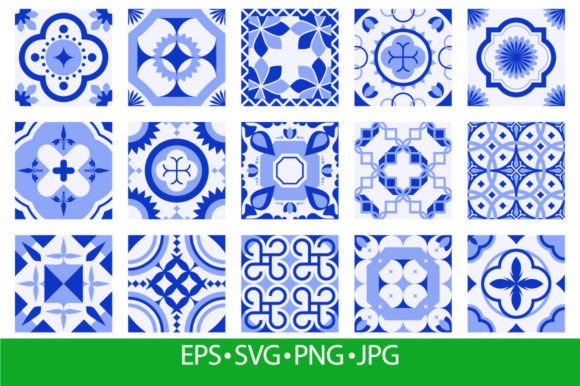
The Mediterranean Mosaic variant of Portugal Tiles stands out due to its unique pattern composition and color palette. Unlike traditional single-tile motifs, mosaic tiles are small pieces arranged in a larger design, creating a patchwork effect that can be customized for various applications such as walls, floors, backsplashes, and even furniture accents.
Key Features of Mediterranean Mosaic Tiles
- Nautical Influence: The designs often draw inspiration from maritime themes, featuring waves, anchors, and seashells alongside classic floral motifs.
- Vibrant Color Schemes: A signature feature is the use of deep blues, especially navy blue, paired with contrasting white, gold, or terracotta hues to evoke a Mediterranean ambiance.
- Ceramic Quality: These tiles are crafted using durable clay and glazes that resist fading and wear, ideal for high-traffic areas or moisture-prone zones like bathrooms and kitchens.
- Customization Options: Available in square patchwork formats, they allow for creative layouts and personalized arrangements, making each installation unique.
Why Choose Mediterranean Mosaic for Interior Design?
One of the main reasons designers and homeowners opt for Portugal Tiles. Mediterranean Mosaic is their ability to transform any space into a warm, inviting environment reminiscent of the sun-soaked coasts of southern Europe. The ornate patterns and bold colors bring a sense of history and culture into modern interiors without feeling outdated.
These tiles work exceptionally well in rooms that aim to create a focal point, such as dining areas, living rooms, or kitchen backsplashes. For example, a backsplash made from Mediterranean Mosaic navy blue ornament tiles can elevate a simple kitchen by adding texture and depth, while also being easy to clean and maintain.
Strengths of Mediterranean Mosaic Tiles
- Aesthetic Versatility: Whether you're going for a rustic farmhouse look or a sleek contemporary space, these tiles can adapt through layout and color combinations.
- Durability: Ceramic mosaics are resistant to water, scratches, and UV damage, ensuring long-lasting beauty.
- Easy Installation: Many manufacturers provide pre-cut or adhesive-backed options, simplifying the process for DIY enthusiasts and professionals alike.
- Wide Format Availability: These designs come in vector-based formats like EPS, SVG, PNG, and JPEG, allowing for seamless integration into digital design projects or print media.
Comparing Mediterranean Mosaic with Other Tile Styles
While Portugal Tiles. Mediterranean Mosaic have their own set of advantages, it's important to compare them with other tile styles to determine which best suits your needs. Below is a balanced view of how they stack up against alternatives such as subway tiles, marble, and geometric mosaics.
Against Subway Tiles
Subway tiles are a minimalist favorite, particularly in urban settings. They offer a clean, uniform look that’s easy to install and maintain. However, when compared to Mediterranean Mosaic, they lack the ornamental detail and cultural flair that makes Portugal Tiles stand out. If your design leans toward modern simplicity, subway tiles might be preferable, but if you want something more artistic and expressive, the Mediterranean Mosaic could be the better option.
Against Marble and Natural Stone
Marble and other natural stone tiles are prized for their luxurious appearance and unique veining. However, they require more maintenance and are generally more expensive than ceramic mosaics. Portugal Tiles. Mediterranean Mosaic replicate some of the elegance of natural stone at a fraction of the cost, making them a practical alternative for those seeking a rich, textured look without the upkeep demands.
Against Geometric Mosaic Tiles
Geometric mosaics often use abstract shapes and monochromatic palettes for a contemporary feel. In contrast, Mediterranean Mosaic focuses on organic, floral, and nautical patterns. While both styles are versatile, the latter is better suited for spaces aiming to evoke warmth and tradition rather than minimalism or industrial aesthetics.
Best-Fit Applications and Limitations
Portugal Tiles. Mediterranean Mosaic thrive in environments where visual impact is key. They are particularly effective in:
- Bathroom walls and shower surrounds
- Kitchen backsplashes and countertops
- Accent walls in living rooms or entryways
- Outdoor patios and pool decks
However, there are limitations to consider. Due to the smaller size of individual mosaic pieces, the overall pattern may not be as visible in large open spaces unless intentionally highlighted. Additionally, the detailed nature of these designs requires careful planning and skilled installation to ensure alignment and consistency.
Design Considerations
To make the most of Mediterranean Mosaic tiles, it’s essential to balance their vibrancy with neutral tones in the rest of the room. Pairing navy blue ornament tiles with light-colored cabinetry or wooden furniture helps avoid overwhelming the space. Also, lighting plays a critical role—natural light enhances the depth of the colors and patterns, while warm artificial lighting can create a cozy, intimate atmosphere.
How to Source and Use Vector-Based Designs
For digital designers or those working on virtual plans, vector illustrations of Portugal Tiles. Mediterranean Mosaic are invaluable. Formats like EPS and SVG allow for scalable, editable graphics suitable for website mockups, architectural renderings, or print materials.
Many suppliers now offer square patchwork decor as downloadable assets in multiple formats including PNG and JPEG, enabling users to experiment with placement before purchasing physical tiles. This is especially useful for customizing layouts or matching existing design elements.
Practical Examples of Use
Here are some real-world scenarios where Portugal Tiles. Mediterranean Mosaic shine:
- Coastal Homes: Their nautical motifs complement beach houses, seaside villas, and vacation rentals.
- Restaurant Interiors: Establishments serving Mediterranean cuisine often use these tiles to reinforce their theme and create a welcoming vibe.
- Interior Accents: Small sections of traditional floral decorative ceramic can add personality to powder rooms, hallways, or fireplace surrounds.
Installation and Maintenance Tips
Proper installation is crucial to preserving the integrity and beauty of Portugal Tiles. Mediterranean Mosaic. Because of their small size and intricate patterns, these tiles typically require professional tiling services or advanced DIY skills. Using grout that matches the tile colors enhances the cohesion of the design and reduces the visibility of seams.
Maintenance is straightforward, involving regular cleaning with mild soap and water. Avoid abrasive cleaners that could scratch the surface or dull the finish. Sealing the grout lines annually will help prevent staining and moisture penetration, especially in wet areas like showers or kitchens.
Alternatives When Mediterranean Mosaic Isn’t the Right Fit
If Portugal Tiles. Mediterranean Mosaic seem too bold or busy for your taste or project, consider the following alternatives:
- Modern Ceramic Tiles: Offer clean lines and subtle textures for a less ornate look.
- Terracotta Tiles: Provide earthy tones and rustic charm without the complexity of mosaic patterns.
- Porcelain Mosaics: Similar in durability but with a smoother finish and less traditional aesthetic.
Each of these options has its place depending on the desired outcome. For instance, porcelain mosaics are excellent for outdoor use due to their resistance to weather changes, whereas terracotta might suit a Tuscan-style villa better than a modern apartment.
Conclusion: Making an Informed Decision
Choosing the right tile involves understanding your design goals, budget, and lifestyle needs. Portugal Tiles. Mediterranean Mosaic offer a compelling mix of tradition, beauty, and functionality, especially for spaces that benefit from a touch of old-world charm. Their availability in digital formats adds another layer of convenience for planners and creatives.
Ultimately, whether you go for navy blue ornament designs or explore more subdued alternatives, the decision should align with your personal style and the practical demands of the space. By weighing the strengths and tradeoffs of Portugal Tiles. Mediterranean Mosaic, you can confidently select a design that reflects both your taste and your needs.