Chinese New Year Decoration Elements: A Guide to Capturing Festive Spirit with Clouds, Lanterns, and Traditional Asian Designs
Chinese New Year, also known as the Lunar New Year, is a time of celebration, renewal, and tradition. One of the most vibrant aspects of this holiday is the use of Chinese New Year decoration elements, which bring joy and symbolism into homes and public spaces. From festive lanterns to intricate floral patterns like the lotus and sakura, these decorations serve both aesthetic and cultural purposes. In modern design projects, these traditional motifs are being reimagined through digital formats such as EPS, SVG, PNG, and JPEG, allowing for seamless integration into contemporary workflows.
The Symbolism Behind Chinese New Year Decorations
Decorations during Chinese New Year are not just about beauty—they carry deep meanings rooted in centuries of tradition. Each element is chosen carefully to represent prosperity, happiness, and good fortune for the coming year. Among the most popular Chinese New Year decoration elements are clouds and lanterns, which have become synonymous with the festive season.
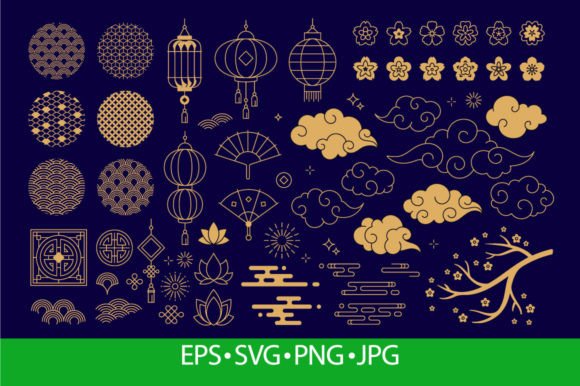
Clouds are often depicted in swirling forms and symbolize harmony, peace, and the connection between heaven and earth. They can be found in paintings, banners, and even on clothing worn during celebrations. When used in digital art or graphic design, cloud motifs are available in various formats, including scalable vector graphics (SVG), making them ideal for both print and web-based materials.
Festive lanterns are another staple of the holiday. These colorful, illuminated structures are hung in streets, markets, and homes to create a lively atmosphere. Red lanterns, in particular, are believed to ward off evil spirits and invite good luck. Today, designers can access high-quality images and vectors of lanterns in different styles—some traditional, others more stylized—to incorporate into posters, invitations, or branding for events.
Traditional Asian Patterns and Ornaments
Asian design has always been rich in symbolism and artistry. When it comes to Chinese New Year decoration elements, traditional Asian patterns play a significant role. These include:
- Dragon and phoenix motifs representing power and unity
- Jade pendants and coins for wealth and protection
- Calligraphy inscriptions of auspicious phrases like "福" (fú), meaning good fortune
- Floral borders and repeating patterns that echo natural beauty and abundance
Such ornaments are often hand-painted or carved but now can also be digitized for wider use. Whether you're working on an e-commerce site promoting holiday goods or designing promotional materials for a cultural event, using these patterns ensures authenticity and visual appeal.
Integrating Traditional Motifs into Modern Design Projects
Designers today have the advantage of accessing sakura flowers vector sets and other ornamental designs in editable formats. This makes it easier than ever to blend traditional aesthetics with modern design tools. For example, a sakura flower vector can be layered behind text or resized without losing quality, perfect for logos or social media assets.
Similarly, the floral lotus blossom is a widely used motif that represents purity and spiritual growth. In many regions of Asia, the lotus is associated with resilience because it blooms from muddy waters. During Chinese New Year, lotus flowers are commonly featured in wall hangings, table centerpieces, and even digital backgrounds. Their elegant form and positive symbolism make them a favorite among designers seeking meaningful imagery.
If you’re looking for a bold yet sophisticated background, consider using decorative fans isolated on dark in EPS or SVG format. These fan designs often include intricate details and traditional Asian patterns that add depth and character to any visual project. Their dark backdrop helps highlight the colors and shapes within the fan, creating a dramatic effect suitable for both traditional and modern contexts.
Choosing the Right File Format for Your Project
When incorporating Chinese New Year decoration elements into your work, selecting the right file format is essential. Different formats offer unique advantages depending on how you plan to use the image:
- EPS (Encapsulated PostScript): Best for print media due to its scalability and high resolution. Ideal for large banners, posters, and signage.
- SVG (Scalable Vector Graphics): Perfect for web use and interactive design. It maintains clarity at any size and supports animation features.
- PNG (Portable Network Graphics): Offers transparency options and lossless compression. Great for online graphics, app interfaces, and digital displays.
- JPEG (Joint Photographic Experts Group): Compressed format best suited for photographs and complex color gradients. Suitable for websites and mobile platforms where load speed matters.
For instance, if you're designing a website banner featuring a red lantern with golden trim, SVG would allow for crisp lines and easy resizing across devices. If you need a photo-realistic image of a blooming lotus for a product catalog, JPEG might be the best choice for its balance of detail and file size.
Where to Find High-Quality Chinese New Year Decorations
There are several platforms where you can find professionally designed Chinese New Year decoration elements in multiple formats. Look for resources that provide:
- Variety in style (traditional vs. modern)
- Multiple color options for flexibility
- High-resolution files for professional use
- Licensed or royalty-free content for commercial applications
Some popular sources include stock image sites, design marketplaces, and specialized cultural illustration banks. Always check the licensing terms before downloading to ensure they align with your intended use.
Real-World Applications of Chinese New Year Decorations
These decorative elements go beyond home interiors and street displays. Many industries leverage them to create engaging experiences and products during the holiday season. Here are some examples:
- Retail: Stores use festive lanterns and floral motifs on packaging, store fronts, and promotional banners to attract customers and reflect cultural relevance.
- Event Planning: Corporate parties and community festivals integrate traditional patterns into invitations, stage backdrops, and signage to enhance the celebratory feel.
- Apparel and Textiles: Clothing brands feature dragon patterns, cloud motifs, and cherry blossoms on scarves, bags, and T-shirts to cater to seasonal fashion trends.
- Digital Marketing: Social media campaigns and email newsletters often include animated or stylized versions of these elements to stand out visually and connect with audiences emotionally.
By understanding the versatility of these elements, businesses and creatives can craft compelling visuals that resonate with local and international audiences alike.
Practical Tips for Using Digital Chinese New Year Decorations
Whether you're a designer or a business owner, here are a few tips to keep in mind when using Chinese New Year decoration elements in your projects:
- Use vector files (EPS or SVG) for logos and icons so they scale perfectly on all devices.
- Ensure that color palettes reflect traditional hues like red, gold, and green for cultural accuracy.
- Combine cloud motifs with lantern illustrations to create dynamic compositions that feel authentic yet fresh.
- Optimize PNG and JPEG files for fast loading times, especially when used on websites or apps.
- Test how your design looks in both light and dark modes, particularly when using dark backgrounds with white or gold accents.
For example, a travel agency marketing tours to China might use a combination of sakura flowers and festive lanterns in their banner ads to evoke a sense of adventure and celebration. The contrast of bright colors against dark backgrounds can help draw attention and convey elegance.
How to Style Your Own Chinese New Year Decorations
Creating your own Chinese New Year decoration elements can be a fun and rewarding project. Here’s how to get started:
- Choose a primary motif, such as a floral lotus blossom or a pair of red lanterns.
- Layer in secondary elements like clouds, fans, or calligraphy to build depth and complexity.
- Select a cohesive color scheme that reflects the holiday spirit—think reds, golds, and deep greens.
- Experiment with textures and lighting effects to give your design a more realistic or artistic look.
- Export your final design in the appropriate format based on your platform or medium.
With the availability of vector sets and free-to-use templates, beginners and professionals alike can customize their own festive artwork. Online design tools like Canva and Adobe Express often come with pre-loaded Asian-inspired assets, making it simple to create stunning visuals quickly.
Why Choose Traditional Asian Ornaments?
Beyond their aesthetic value, traditional Asian ornaments add a layer of cultural storytelling to your designs. The sakura flowers vector set, for instance, not only adds a touch of springtime beauty but also ties into broader themes of renewal and hope—perfect for the new year. Similarly, the lotus is often seen as a symbol of perseverance and enlightenment, resonating well with global audiences who appreciate deeper meaning in design.
Using these elements allows you to tap into a shared heritage while maintaining a unique creative voice. Whether you're crafting a greeting card or a full-fledged brand campaign, these motifs can bridge the gap between tradition and innovation.
Considerations Before Adopting Chinese New Year Decoration Elements
Before incorporating Chinese New Year decoration elements into your work, consider the following factors:
- Cultural Sensitivity: Ensure that your use of symbols is respectful and contextually appropriate. Avoid misrepresentation or oversimplification.
- Audience Relevance: Understand who will see your design and whether they’ll recognize or appreciate the cultural references.
- Project Goals: Align your choice of decorations with the message you want to send—whether it's celebrating heritage, inviting luck, or simply adding festive flair.
- Technical Requirements: Match the file format to your needs—print, web, or interactive media—and ensure compatibility with your software.
- Cost and Licensing: Be mindful of copyright issues. Some high-quality vectors may require purchase, while others are freely available under specific conditions.
For example, if you're designing a poster for a school event, using a free PNG image of a lantern could be sufficient. But if you're preparing a brochure for a luxury hotel, investing in a premium EPS file of a lotus design would ensure a polished finish.
Examples of Creative Uses in Modern Workflows
Here are some real-world scenarios where Chinese New Year decoration elements shine:
- Marketing Campaigns: E-commerce stores sell everything from traditional red envelopes to modern tech gadgets wrapped in festive packaging featuring lanterns and lotuses.
- Interior Design: Home decorators blend traditional Asian fans and cloud patterns with minimalist furniture to create a harmonious balance of old and new.
- Graphic Design: Social media posts and email headers often use floral lotus blossom illustrations to signal the arrival of the Lunar New Year.
- Branding: Restaurants and cafes with Asian roots use these motifs in their logos and menus to reinforce their identity and appeal to culturally aware customers.
Each application showcases how these elements can be adapted for different purposes without losing their cultural essence.
Final Thoughts on Selecting and Using Chinese New Year Decorations
As you explore Chinese New Year decoration elements, remember that the goal is to celebrate the spirit of the holiday while ensuring your design is both visually appealing and technically sound. By choosing the right file types and combining them thoughtfully, you can create impactful visuals that honor tradition and meet modern expectations.
Whether you're designing a digital banner for a festival or printing a series of cards for family and friends, the key is to stay true to the meaning behind each symbol. With careful planning and the right tools, you can transform these timeless motifs into something fresh and inspiring for your audience.