Whale with Flowers Watercolor Cliparts: A Guide to Choosing and Using Them Effectively
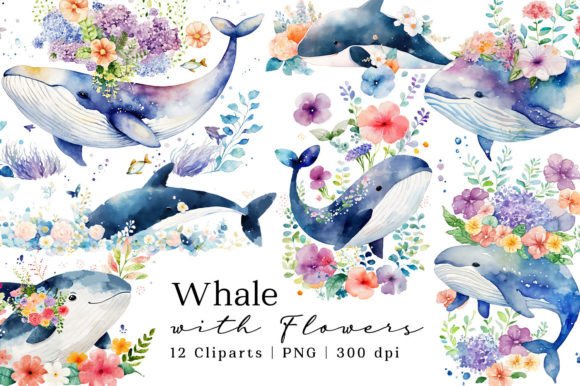
Whale with Flowers Watercolor Cliparts offer a unique blend of whimsy and elegance, making them an excellent choice for creative design projects. These digital illustrations combine the majestic imagery of whales with the delicate beauty of floral elements, all rendered in a soft watercolor style. Whether you're designing art prints, logos, or promotional materials, these cliparts can add a fresh, artistic touch to your work.
What Are Whale with Flowers Watercolor Cliparts?
Whale with Flowers Watercolor Cliparts are high-quality digital images that feature watercolor-style depictions of whales intertwined with blooming flowers. Typically available as PNG files with transparent backgrounds, they allow for seamless integration into various design formats. The collection often includes 12 main cliparts and 3 decorative variations, providing ample options for customization. With resolutions up to 300dpi and sizes reaching 3000px, these assets are ideal for both print and digital use.
Why People Love These Cliparts
These cliparts are popular among designers and DIY enthusiasts due to their versatility and aesthetic appeal. They work well in children's books, birthday cards, social media graphics, educational materials, and even branding for wellness and eco-friendly businesses. The watercolor technique gives the images a hand-painted look, which is both calming and visually engaging. For those looking to infuse creativity into their projects without starting from scratch, these cliparts serve as a valuable resource.
Common Mistakes When Selecting Cliparts
While Whale with Flowers Watercolor Cliparts are a great asset, there are some common pitfalls users may encounter when choosing them:
- Ignoring Resolution Needs: Many beginners assume all clipart is suitable for any project, but using low-resolution images on large prints can lead to blurry results. Always confirm the resolution (like 300dpi) matches your intended use.
- Overlooking File Format Compatibility: PNG files with transparent backgrounds are versatile, but if your project requires vector-based editing (e.g., for scaling without loss of quality), you might need SVG or EPS versions instead.
- Picking Without Considering Theme Match: Just because a whale looks cute doesn’t mean it fits every context. Ensure the style and subject matter align with your brand or message—especially in professional or educational settings.
- Not Checking Licensing Terms: Some clipart collections require attribution or restrict commercial use. Before downloading, verify whether the package allows for personal or business applications.
How These Mistakes Can Impact Your Project
Making these errors could affect the overall quality and usability of your designs. For example, using a low-res image on a poster might result in poor print quality, while mismatched themes can confuse your audience or weaken your message. If licensing terms aren't followed, you risk legal issues or having to redo the project later. Understanding these risks ensures smoother workflow and better outcomes.
Practical Tips for Choosing the Right Cliparts
To avoid missteps, consider the following strategies when selecting Whale with Flowers Watercolor Cliparts:
- Match the Intended Use: If you’re creating something for print (like a canvas or mug), go for high-resolution PNGs. For digital content such as websites or presentations, check if the file size is optimized for web performance.
- Assess Style Consistency: Evaluate how the clipart complements your existing visuals. Do the colors match your palette? Is the watercolor effect subtle or bold? This will determine its effectiveness in your layout.
- Review Licensing Details Carefully: Look at the product description and licensing agreement before purchasing. Make sure you understand what you can and cannot do with the clipart to avoid future complications.
- Consider Scalability: Even though these cliparts are high quality, always test them at different sizes. Some details may become less clear when scaled down for buttons or icons.
Examples of Effective Usage
Let’s explore a few scenarios where these cliparts shine:
Scenario 1: Eco-Friendly Product Packaging
A small business owner wants to create packaging for organic skincare products. She chooses a Whale with Flowers Watercolor Clipart that features a gentle blue whale surrounded by lavender and daisies. The soft hues and natural feel perfectly reflect the brand’s commitment to sustainability and tranquility.
Scenario 2: Wedding Invitations
A designer working on wedding invitations integrates a romantic whale illustration paired with roses and peonies. The transparent background allows the image to be layered over custom textures, giving the invitation a bespoke look that stands out from generic templates.
Scenario 3: Social Media Content for a Travel Blog
An entrepreneur uses one of the decorative cliparts to enhance a post about oceanic travel. The whale adds a thematic element, while the flowers provide visual warmth. Because the clipart is already styled in watercolor, it blends effortlessly with the blog’s pastel color scheme and hand-drawn fonts.
Best Practices for Editing and Applying Cliparts
Once you’ve selected your clipart, follow these tips to maximize its impact:
- Edit with Purpose: Avoid over-editing the clipart unless necessary. Too much manipulation can distort the original watercolor texture and reduce the charm of the piece.
- Use Layer Blending Modes: In design software like Photoshop or Canva, try blending modes to integrate the clipart smoothly with other background elements. Soft light or overlay modes can give the illusion of depth.
- Combine Thoughtfully: Pair the clipart with complementary fonts and colors. For instance, a vintage script font works well with the watercolor aesthetic, while bright neon tones might clash.
- Test Print Samples: Before committing to a full batch of printed items, make a sample print. This helps you see how the clipart looks in real life and identify any potential issues with clarity or alignment.
Things to Check Before Downloading
Before hitting the download button, take a moment to ensure you're getting exactly what you need:
- Resolution and Size: Confirm the dimensions and DPI meet your project requirements, especially for large-scale printing.
- License Scope: Verify whether the license covers personal use, commercial projects, or redistribution. Some packages offer limited rights, so read carefully.
- File Format Availability: While PNG is standard, ask if additional formats like JPEG or SVG are included. These might suit specific design tools or outputs better.
- Design Software Compatibility: If you plan to edit the clipart, ensure it works well with your preferred tools. Most modern platforms support PNGs, but compatibility can vary with more complex layers or effects.
Maximizing Versatility
With 12 main cliparts and 3 decorative additions, this set provides a broad range of possibilities. Here are a few ways to leverage each type:
- Main Cliparts: Ideal for focal points in posters, mugs, t-shirts, and banners. Their larger scale and detail make them stand out.
- Decorative Cliparts: Perfect for accents, such as corner embellishments in scrapbooks or subtle background elements in flyers and brochures.
- Transparent Backgrounds: Enable easy layering and blending, allowing you to place the whale seamlessly over photos, textures, or gradients.
For best results, organize your files and categorize the cliparts based on their use case. This streamlines your workflow and ensures you pick the right image for the job quickly.
Where to Use These Cliparts
The beauty of Whale with Flowers Watercolor Cliparts lies in their adaptability. Here are some popular applications:
- Art prints and canvas displays
- Customized greeting cards and gift tags
- Educational materials or classroom decorations
- Social media posts and website headers
- Merchandise like t-shirts, tote bags, and pillows
- Logos and branding for marine-themed businesses
- Invitations, calendars, and planners
- Stickers and wrapping paper for special events
- Presentations and slide decks for storytelling purposes
Getting Started with Your New Clipart Collection
Once downloaded, open the ZIP folder to access the individual PNG files. Each comes ready to use, so drag and drop them into your design project. You’ll notice how easily they adapt to various layouts and styles. For added flair, experiment with overlays, filters, or text placement around the whale to highlight key messages or titles.
If you're new to digital design, start with user-friendly tools like Canva or Adobe Express. These platforms let you adjust the position, size, and transparency of the clipart without needing advanced skills. As you gain confidence, you can move to more robust editors like Photoshop or Illustrator for precise control.
Final Thoughts on Creative Design Choices
Choosing the right clipart isn't just about picking something pretty—it's about ensuring it functions well within your design ecosystem. Whale with Flowers Watercolor Cliparts can elevate your visuals when used thoughtfully, but they won’t compensate for poor composition or mismatched themes. Take time to evaluate your needs, understand the technical aspects, and apply the clipart in a way that enhances your message rather than distracts from it.
By avoiding common mistakes and following practical advice, you can unlock the full potential of this collection. From marketing materials to personal gifts, these cliparts are a powerful tool in your creative arsenal. So, go ahead—download now and bring your next design to life with the perfect blend of nature and imagination.