Watercolour Illustrations of Sand: A Guide to Choosing and Using the Right Assets for Your Design
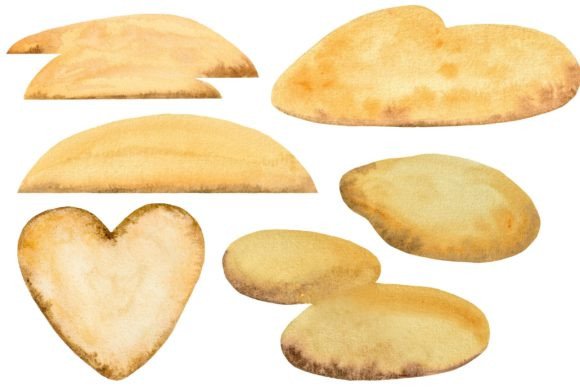
Watercolour illustrations of sand have become a popular choice among designers, illustrators, and content creators who seek to infuse their projects with organic warmth and texture. These digital assets offer a unique blend of softness, natural grain, and artistic charm that can elevate everything from branding materials to website visuals. Whether you're working on a travel blog about sandy beaches or designing packaging for a product inspired by earthy tones, watercolour sand illustrations can add an authentic and inviting touch.
Why Watercolour Sand Illustrations Matter in Modern Design
In today's design landscape, authenticity and visual storytelling are key. Watercolour illustrations of sand provide a tactile feel that resonates with audiences looking for real-world connections. They’re especially effective when paired with other watercolour elements like waves, palm trees, or coastal flora to create cohesive themes. The versatility of these illustrations makes them suitable for both minimalist and intricate compositions.
Brown sand illustrations, in particular, bring depth and richness to any visual narrative. When isolated on a white background, they can be easily integrated into logos, headers, or even as subtle textures in print media. For those seeking more flexibility, SVG files allow for scalable use across different platforms without compromising quality, while JPGs ensure compatibility for quick web publishing.
Common Mistakes When Selecting Sand Illustrations
- Overlooking File Format Needs: Many users download sand illustrations without considering their format requirements. If you plan to use the asset at various sizes, always choose SVG for scalability. JPGs may not render well when resized, especially if used for high-resolution prints or large displays.
- Misjudging Style Consistency: Not all sand illustrations are created equal. Some appear too gritty, others too smooth. If your project requires a specific aesthetic—say, a tropical island versus a desert landscape—you must ensure the sand style matches the overall theme.
- Ignoring Color Accuracy: Brown sand comes in many shades, from pale beige to deep terracotta. Assuming all brown sands look alike can lead to mismatched color schemes. Always preview the illustration in your intended context before finalizing its use.
How These Errors Impact Your Work
Poorly chosen sand illustrations can disrupt the harmony of your composition. Imagine using overly detailed sand grains in a sleek modern logo; it could clash with the clean lines and minimalism you're aiming for. Similarly, low-quality JPGs might pixelate when scaled up, affecting the professionalism of your output. In marketing contexts, such inconsistencies can reduce engagement or confuse brand messaging.
Additionally, incorrect file formats may limit how you use the asset. An SVG is ideal for editing and resizing, but if you only have a flat JPG, you might find yourself stuck when trying to adapt the image for mobile banners or social media tiles. This can slow down production timelines and increase costs if you need to source replacements later.
Best Practices for Choosing and Using Sand Illustrations
To avoid these pitfalls, follow these practical steps:
- Understand Your Project’s Requirements: Are you designing for the web, print, or both? Will the illustration be part of a larger pattern or stand alone? Clarifying these details helps you select the right format and style.
- Preview Before Purchase: Always check sample images in your intended layout. If possible, request previews of the sand illustrations in different backgrounds or lighting conditions to assess their adaptability.
- Opt for Scalable Formats Where Needed: For projects requiring flexibility in size or layering, SVG files are essential. They let you adjust colors, shapes, and layers without degrading the image quality.
Let’s take a realistic example: You're creating a brochure for a luxury resort. You want to include watercolour islands of different shapes surrounded by soft sand textures. If you hastily pick a sand illustration that looks good on a small screen but doesn’t scale well for print, the final result may lack the clarity and elegance expected by potential guests. Instead, opt for an SVG version so you can tweak the design to fit the page layout perfectly.
Real-World Applications and Creative Possibilities
Watercolour sand illustrations aren't just for beach scenes. Here are a few creative ways professionals use them:
- Product Packaging: Adding a layer of sand texture to eco-friendly product designs gives a grounded, natural appearance that appeals to environmentally conscious buyers.
- Blog Post Headers: For travel blogs or nature-themed websites, a header with watercolour islands and sand surfaces can immediately set the tone and attract readers visually.
- Print Media Backgrounds: As a subtle backdrop, sand illustrations help convey a sense of place or mood without overpowering the main message.
- Freelance Artwork: Artists often combine sand textures with other watercolour elements to build complex, hand-painted-style compositions that stand out in client portfolios.
One better approach is to start with a simple base design and gradually layer in sand illustrations. This allows you to see how each element contributes to the whole and make adjustments as needed. Avoid overcomplicating the layout early on—less can often be more when it comes to visual storytelling.
What to Check Before Finalizing Your Choice
Before committing to a set of pieces of earth for your design, consider the following:
- License Type: Ensure the illustration license permits commercial use if that’s your goal. Some free assets come with restrictions that may not suit your needs.
- Resolution and Clarity: High-resolution JPGs are important for web and print use. Low-res images will look blurry when zoomed in or printed in large sizes.
- Style Compatibility: Does the sand illustration match the rest of your artwork? Mismatched styles can make a design feel disjointed or unprofessional.
- Customization Options: Can you edit the color or shape of the sand particles? SVG files typically allow for more customization than raster-based formats like JPG.
For instance, if you're building a website for a skincare brand that uses brown sand in its product line, you’ll want the sand illustrations to reflect the same warm, earthy palette. This ensures brand consistency and enhances user trust through visual coherence.
Where to Find Quality Watercolour Sand Illustrations
There are several platforms where you can source high-quality watercolour sand illustrations. Look for collections that include both JPG and SVG formats, and read user reviews to gauge reliability and realism. Platforms like Adobe Stock, Shutterstock, and Envato Elements offer curated sets that often include multiple variations of sand textures and surface patterns.
When browsing, pay attention to the “isolated on white background” tag. This indicates the illustration is ready to integrate into your design without needing extra cleanup or masking. It also means the focus remains on the sand itself, which is crucial for highlighting its texture and form.
Putting It All Together: A Beginner-Friendly Workflow
If you're new to using sand illustrations, here’s a step-by-step guide to get you started:
- Define the Purpose: Decide whether the sand illustration is a background element or a focal point.
- Select the Right Format: Choose SVG for flexibility or JPG for simplicity, depending on your software and medium.
- Match the Color Palette: Adjust the sand hues to align with your brand or design theme using tools like Photoshop or Illustrator.
- Layer Thoughtfully: Use transparency settings to blend the sand seamlessly with other watercolour elements.
- Test Across Devices: Preview the final design on desktop, tablet, and mobile to ensure the sand illustrations remain clear and impactful.
By taking this structured approach, you’ll avoid common missteps and end up with a polished, professional result that meets your creative goals.
Final Thoughts on Enhancing Your Designs with Sand Textures
Watercolour illustrations of sand are more than just decorative—they’re powerful tools for storytelling and aesthetics. However, their effectiveness depends on thoughtful selection and application. By understanding the nuances between different types of sand, file formats, and design integration methods, you can unlock their full potential.
Remember, the best sand illustrations don’t shout—they whisper. They should enhance the mood and support the message without distracting the viewer. With the right choices, your next design can feel as natural and inviting as a sunlit stretch of shoreline.