Nordic Rune Frames: A Set of Scandinavian and Nordic Runic Decorative Borders
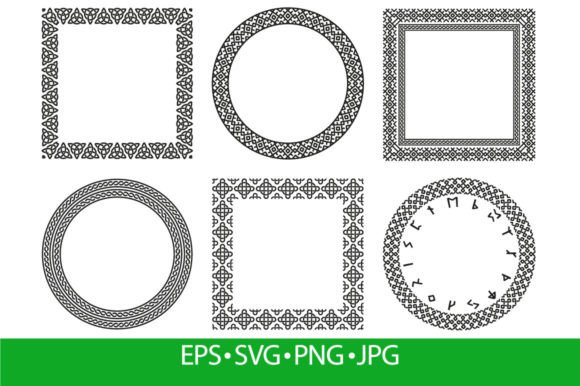
Nordic Rune Frames, often referred to as a set of Scandinavian runic borders, are ornamental design elements that incorporate traditional Norse symbols and motifs. These frames are typically used in graphic design, illustration, and digital art to add a unique, historical, and cultural flair to projects. The collection usually includes patterns based on the Futhark, the ancient runic alphabet used by Germanic tribes in the early medieval period, especially in Scandinavia.
What Are Nordic Rune Frames?
The term "Nordic Rune Frames" refers to a curated set of decorative borders featuring runic symbols from the Elder Futhark and sometimes the Younger Futhark. These symbols are not just random shapes; they carry deep meaning and were historically used for writing, divination, and magical purposes. In modern times, these runes have been stylized and adapted into visual elements like frames and borders to evoke a sense of mysticism, heritage, and aesthetic appeal.
A Scandinavian rune frame might include intricate knotwork, interlacing patterns, or standalone runic characters arranged in a way that enhances the visual structure of a page or layout. They are commonly used in book covers, posters, logos, and other design materials where a Viking or Norse theme is desired.
Key Characteristics of Nordic Rune Frames
- Historical Inspiration: Based on authentic runic alphabets with symbolic meanings rooted in Norse culture.
- Decorative Style: Often features Celtic-inspired knotwork and viking-era artistic techniques.
- Format Variety: Available in multiple file formats such as EPS, SVG, PNG, and JPEG, making them versatile for both print and digital use.
- Customization Potential: Many sets allow for resizing, color changes, and layering to suit different design needs.
Comparing Nordic Rune Frames with Other Decorative Styles
When exploring options for adding visual interest to your design work, it's helpful to understand how Nordic Rune Frames compare to other popular styles such as Celtic borders, Gothic embellishments, or even minimalist Scandinavian designs.
Celtic vs. Nordic Rune Frames
Both Celtic and Nordic rune frames draw from ancient traditions and feature interwoven patterns. However, there are subtle but important differences. Celtic designs tend to emphasize continuous loops and knots without clear beginning or end, often incorporating animal motifs and abstract forms. In contrast, Nordic rune frames may integrate individual runes or their combinations more prominently, with a stronger emphasis on angular lines and structured compositions.
If you're aiming for an ethereal, mystical look, Celtic border designs might be more appropriate. But if your goal is to convey strength, history, or a direct connection to Norse mythology and symbolism, then Nordic Rune Frames would be a better fit.
Gothic and Medieval Ornamentation
Gothic-style borders often feature elaborate flourishes, floral patterns, and calligraphic elements. These are common in manuscripts and religious texts from the Middle Ages. While they share some similarities with runic frames in terms of complexity and historical feel, Gothic borders are less likely to include actual runes or Viking-influenced motifs.
For designers working on fantasy-themed content or historical recreations, the choice between Gothic and Nordic Rune Frames will depend on the specific era or culture being represented. If your focus is on the Viking Age or Norse sagas, the latter provides a more accurate and thematic option.
Strengths and Tradeoffs of Using Nordic Rune Frames
Like any design element, Nordic Rune Frames offer certain advantages and considerations depending on the project’s requirements and the designer's goals.
Strengths
- Cultural Authenticity: Provides a genuine representation of Norse and Viking aesthetics, which can resonate deeply with audiences interested in history or fantasy genres.
- Visual Depth: The combination of runes and ornamental borders adds a rich texture and layered look to any composition.
- Versatility: With vector formats like EPS and SVG, users can scale and modify the designs without losing quality, making them ideal for both small illustrations and large-scale prints.
- Symbolic Value: Each rune has its own meaning, allowing for intentional design choices that can subtly communicate themes like protection, wisdom, or prosperity.
Tradeoffs and Limitations
- Complexity: The intricate nature of these frames can make them challenging to integrate seamlessly into all types of layouts, especially those requiring minimalism or clean typography.
- Licensing Considerations: Depending on the source, some collections may require attribution or specific licensing agreements, so it's important to verify usage rights before finalizing a design.
- Color Constraints: While many sets allow for recoloring, the original black-and-white or muted tones may not always match bold, modern color palettes without adjustment.
- Relevance to Theme: These frames are best suited for contexts that align with Viking, Norse, or fantasy themes. Their use in unrelated industries (e.g., corporate branding) could come off as forced or inappropriate.
Best-Fit Situations for Nordic Rune Frames
There are several scenarios where using a set of Scandinavian runic borders makes sense. Here are a few examples:
- Book Covers and Booklet Design: Especially for novels, fantasy books, or educational materials about Norse mythology. Runes can serve as chapter headers, title frames, or background accents.
- Posters and Invitations: For events such as Norse festivals, Viking reenactments, or themed parties. These frames can help create a cohesive and immersive visual experience.
- Logo Creation: Businesses selling Norse-inspired products, such as jewelry, clothing, or home décor, may benefit from integrating these elements to reinforce brand identity.
- Print Media and Stationery: Cards, certificates, or packaging that aim to reflect a traditional or handcrafted style can gain authenticity through the use of runic frames.
Realistic Examples of Use
Consider a designer creating a poster for a live performance of Wagnerian opera. By using a set of Nordic Rune Frames, they can add a dramatic and mythological edge to the design. Another example might be a fantasy game developer who wants to craft a map with Viking-style legends—here, the inclusion of ornamental runic borders would enhance the setting and immersion.
In contrast, a user designing a sleek website for a tech startup might find these frames too heavy or distracting. In such cases, opting for a simpler geometric or modern pattern would be more effective.
Decision Factors When Choosing Nordic Rune Frames
Selecting the right decorative elements involves evaluating various factors. When considering Nordic Rune Frames, here are key points to keep in mind:
- Project Theme: Does the design need to reflect Norse culture, mythology, or Viking aesthetics? If yes, these frames are highly suitable.
- Design Complexity: Will the border overwhelm the main content? Simpler compositions may benefit from lighter, rune-based outlines rather than full borders.
- File Format Needs: Are you working on a high-resolution print project or a scalable digital asset? Vector formats like EPS and SVG ensure flexibility across platforms.
- Target Audience: Will your audience appreciate or relate to the imagery? Historical enthusiasts, gamers, and fantasy readers often respond well to these elements.
Alternatives to Consider
While Nordic Rune Frames are powerful for certain applications, alternatives exist that may better suit different creative goals:
- Minimalist Scandinavian Borders: Clean, simple lines that complement modern design trends without invoking historical or mythological themes.
- Geometric Viking-Inspired Patterns: Less complex than rune-based frames but still retain the essence of Norse design through shapes and symmetry.
- Abstract Symbolic Borders: These can mimic the feel of runes without being tied to specific historical scripts, offering more creative freedom.
- Custom Illustrations: For a truly unique touch, hiring an artist to create bespoke Viking or Norse-themed borders might be preferable over stock assets.
How to Choose the Right Frame Collection
Not all runic frame collections are created equal. To determine whether a particular set of Scandinavian and Nordic rune frames is right for your needs, consider the following:
- Number of Designs: Some collections offer only a few variations, while others provide dozens. More options increase versatility but may also lead to decision fatigue.
- Quality and Resolution: Ensure the frames are high-resolution and maintain clarity at any size, particularly if intended for print.
- Compatibility with Software: Confirm that the files are compatible with your design tools. SVG and EPS formats are generally preferred for scalability in Adobe Illustrator or Inkscape.
- Style Consistency: Look for a cohesive set that matches the overall tone of your project. Mismatched or overly diverse elements can dilute the visual impact.
Use Case Evaluation
Imagine you're designing a series of tarot cards inspired by Norse gods. In this case, using a vector collection of Nordic Viking frame illustrations would not only align with the theme but also give each card a distinct, mystical appearance. On the other hand, if you're creating a brochure for a wellness retreat in Norway, a more subdued approach—perhaps with simplified Viking motifs or natural Scandinavian elements—might be more fitting.
Final Thoughts on Nordic Rune Frames
The Nordic Rune Frames. Set of Scandinavian serves as a valuable tool for designers seeking to infuse their work with historical depth and visual intrigue. Its blend of traditional Norse symbolism and decorative artistry makes it particularly well-suited for niche markets such as fantasy publishing, event branding, and cultural education.
However, due to their ornate nature and thematic specificity, these frames may not be the best choice for every design challenge. Understanding when and how to use them effectively ensures that they enhance rather than detract from your project. As with any resource, the key is matching the style to the purpose and knowing when a different approach might yield better results.