Red Mouse in Traditional Chinese Decorative Art
The Red Mouse is a compelling motif within the realm of Traditional Chinese decorative art, combining cultural symbolism with aesthetic appeal. This design element, often presented as an isolated illustration on a white background in formats like EPS and JPG, serves both artistic and commercial purposes. Its significance lies not only in its visual charm but also in its deep-rooted meaning in Chinese tradition, making it valuable for designers, marketers, educators, and cultural enthusiasts alike.
Cultural Symbolism and Historical Context
In Chinese culture, the mouse symbolizes intelligence, adaptability, and prosperity. When depicted in red — a color associated with good fortune, joy, and celebration — the Red Mouse becomes a particularly auspicious emblem. Historically, animals have played a vital role in Chinese decorative arts, especially in relation to the zodiac. The mouse is the first animal in the Chinese zodiac cycle, representing new beginnings and opportunities.
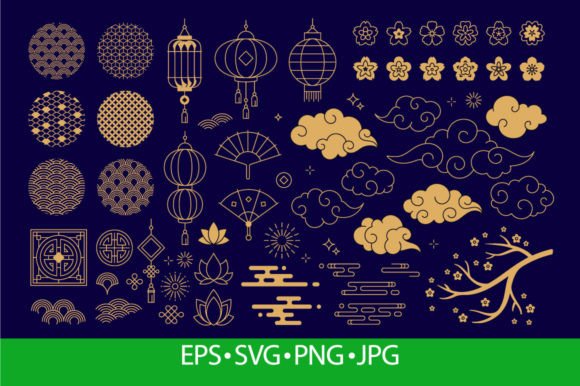
Traditional Chinese decorative ornaments often incorporate these symbolic elements into patterns used in textiles, ceramics, architecture, and even digital media today. The Red Mouse, while less commonly featured than other zodiac animals, has gained popularity in modern adaptations due to its vibrant appearance and positive connotations. It’s frequently used during Lunar New Year or in branding for businesses seeking to align with Chinese cultural values.
Design Characteristics and Aesthetic Appeal
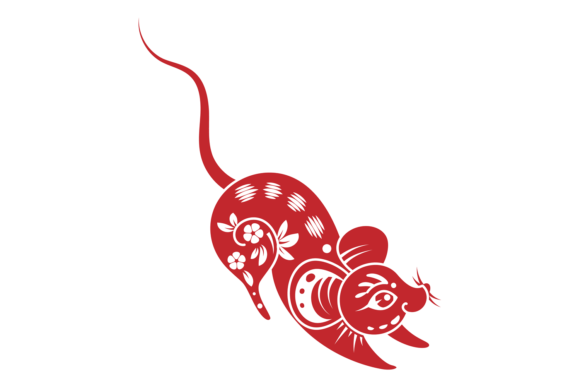
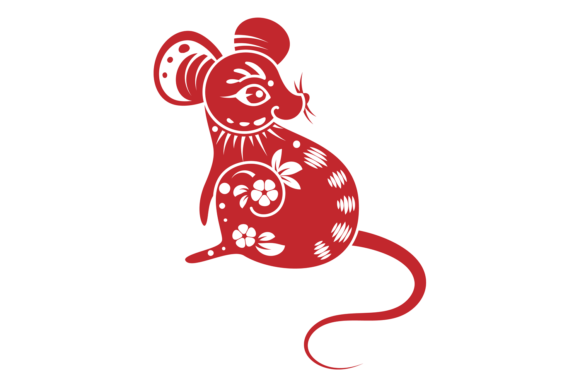
The Red Mouse in traditional Chinese decorative ornament style typically features stylized forms that emphasize fluidity and grace. Unlike realistic portrayals, these designs are often abstract, using bold lines, intricate details, and vibrant colors to evoke emotion and meaning. The mouse may be illustrated with flowing whiskers, expressive eyes, and a round, cheerful body, all rendered in a manner consistent with classical Chinese art techniques.
When isolated on a white background, the Red Mouse allows for maximum versatility. This clean presentation ensures that the design can be easily adapted for use in logos, marketing materials, illustrations, or as part of larger compositions. High-resolution formats such as EPS and JPG preserve the clarity and scalability of the image, which is essential for professional applications across different mediums.
Strengths of Using Red Mouse in Design Projects
- Versatility: The isolated format makes it ideal for layering, resizing, or integrating into various layouts without compromising quality.
- Cultural Relevance: Incorporating this motif can add depth and meaning to projects targeting Chinese audiences or those celebrating Chinese themes.
- Visual Impact: The bright red hue and ornamental detailing make the Red Mouse stand out, drawing attention effectively in both print and digital contexts.
- Professional Quality: When sourced from reputable providers, the EPS and JPG files offer crisp edges, accurate color representation, and consistency across platforms.
Real-World Applications and Use Cases
Professionals in multiple industries find value in the Red Mouse design. For instance, marketers might use it in promotional materials for events tied to the Chinese New Year or zodiac-themed campaigns. Educators could integrate it into presentations about Chinese folklore, history, or art. Bloggers and content creators may feature it in articles discussing cultural symbols or holiday traditions.
Freelancers and small business owners working on brand identities for products aimed at Asian markets often benefit from incorporating culturally resonant imagery like the Red Mouse. In e-commerce, it can enhance product packaging, especially for items related to home décor, stationery, or children's toys. Additionally, graphic designers may use the motif in social media templates, website headers, or app interfaces where a touch of traditional Chinese flair is desired.
Practical Recommendations for Effective Use
- Ensure the design is used in appropriate cultural contexts to maintain authenticity and respect.
- Pair the Red Mouse with complementary elements such as bamboo, lanterns, or calligraphy to create cohesive visuals.
- Use high-quality vector (EPS) versions when designing scalable graphics for logos or banners to avoid pixelation.
- Consider the target audience: if they are unfamiliar with Chinese symbolism, provide context through copy or supplementary design elements.
Evaluating Quality and Usability
When selecting a Red Mouse in Traditional Chinese Decorative Ornament Style, quality should be a primary concern. Look for assets with fine line work, balanced proportions, and rich color saturation. The isolation on a white background should be precise, avoiding stray pixels or blurred edges. These factors ensure that the design maintains its integrity across different uses, whether printed on fabric or displayed on a screen.
Usability is another key consideration. A well-crafted EPS file allows for easy editing and customization, enabling designers to adjust size, color, or layout without loss of detail. JPG versions are suitable for quick use in web-based content, email campaigns, or social media posts. However, for long-term or multi-platform use, having access to the vector format is highly recommended.
Who Benefits Most from This Design?
This asset is particularly useful for professionals who need to blend cultural aesthetics with functional design. Marketers aiming to launch products in China or Asia will appreciate the Red Mouse’s ability to resonate emotionally with local consumers. Designers creating event invitations, greeting cards, or themed merchandise will also find it beneficial for adding visual interest and cultural relevance.
Entrepreneurs in the gift industry or home décor sector may use the Red Mouse motif to differentiate their products in a crowded market. Creators producing educational content or infographics about Chinese culture can leverage the design to enhance engagement and clarity. Overall, anyone involved in cross-cultural communication or design with a traditional Chinese theme can derive practical value from this asset.
Limitations and Considerations
While the Red Mouse offers many advantages, there are limitations to consider. The design is specific to one cultural context, so it may not be universally applicable. Misuse or overuse without proper understanding could lead to unintended associations or reduce the effectiveness of the message being conveyed.
Additionally, the complexity of the ornament style may require some design experience to implement correctly. Beginners might struggle to balance the motif with other elements in a composition. It’s also important to note that the Red Mouse is just one of many traditional symbols; relying solely on it could limit the richness and diversity of your overall design strategy.
Long-Term Value and Adaptability
From a long-term perspective, the Red Mouse provides lasting value when integrated thoughtfully into projects. As cultural appreciation continues to influence global design trends, assets rooted in traditional motifs remain relevant. The EPS format ensures that the design can evolve with future needs, supporting scaling and rebranding efforts without requiring a complete redesign.
Moreover, the simplicity of the white background enhances its flexibility, allowing it to be layered with other design components or used in minimalist layouts. This adaptability means the Red Mouse can transition smoothly between seasonal campaigns and permanent branding elements, offering sustained utility.
Conclusion and Final Thoughts
The Red Mouse in Traditional Chinese Decorative Ornament Style represents more than just an attractive visual — it embodies centuries of cultural symbolism and artistic heritage. Whether you’re a designer, marketer, educator, or entrepreneur, this motif can serve as a meaningful addition to your creative toolkit. When chosen with care and applied appropriately, it can elevate the tone, appeal, and authenticity of your work.
If your project involves Chinese themes, celebrates cultural diversity, or requires a visually striking yet respectful representation of tradition, then the Red Mouse could be a fitting choice. Always assess the quality of the source material, consider the context of use, and aim for a balanced approach to design integration. With thoughtful application, this ornamental asset can deliver both aesthetic and strategic benefits over time.